 Royale Union Saint-Gilloise
The 1970s proved to be a pivotal decade for Royale Union Saint-Gilloise, often overshadowed by the club's earlier glories but marked by significant challenges and noteworthy achievements. Les Unionistes, once the dominant force in Belgian football, faced an evolving landscape that included fierce competition and changing player dynamics. As the club transitioned from its golden era of the 1930s and 1940s, it was a time that would test the mettle of the club and its loyal supporters.
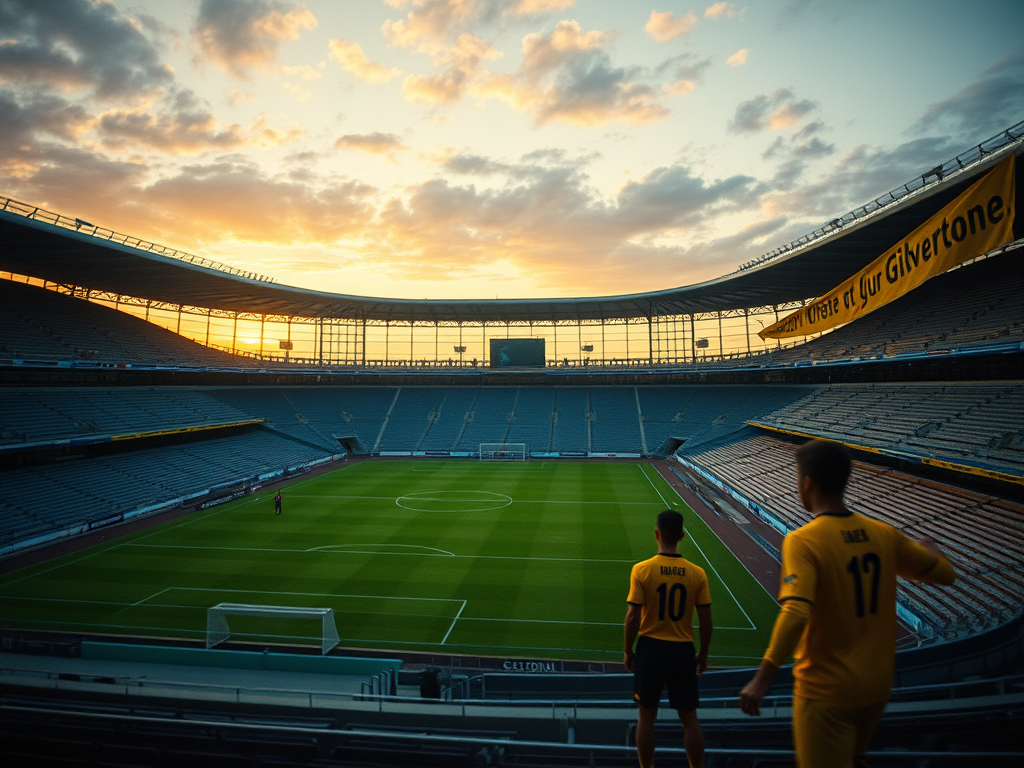
Following the end of the 1960s, Union faced a stark reality. The club, which had secured a remarkable eleven league titles prior to the 1970s, struggled to maintain its status as a top competitor in the Belgian league. The departure of several key players contributed to this decline, and the once-bustling Stadium began to feel the weight of historical expectations. Yet, amidst these challenges, the spirit of Les Unionistes remained unbroken.
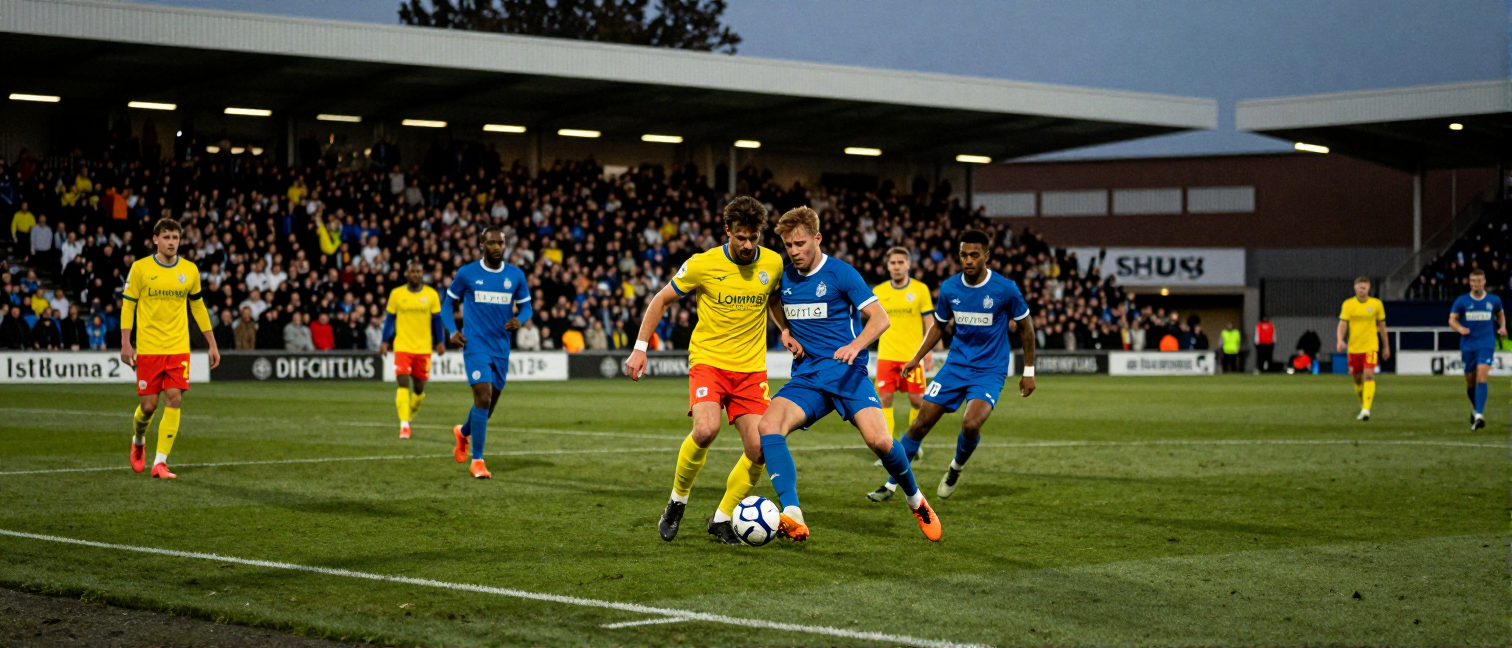
One of the most notable moments from this decade came in 1973, when Union Saint-Gilloise reached the semi-finals of the Belgian Cup. The campaign was a testament to the determination of the players and the unwavering support of the fans. Although the club did not claim the trophy, the journey highlighted a renewed sense of hope and tenacity. The semi-final match against RSC Anderlecht, the club's fiercest rival, ignited the passion of the supporters, reminding everyone of the club's rich heritage and resilience. The atmosphere in the Stadium was electric, a reminder of the fervor that Les Unionistes brought to the pitch.
The 1970s also saw the emergence of new talents within the squad, who would eventually become the backbone of the team in the years to follow. Young players were given opportunities to shine, and their performances instilled a sense of optimism among the fanbase. The future looked bright, and while immediate success was elusive, the seeds for revival were being sown.
As the decade came to a close, Royale Union Saint-Gilloise faced the new challenge of the 1980s with a blend of seasoned players and fresh talent. The commitment to nurturing young prospects would eventually pay dividends, leading to a resurgence in the club's fortunes in subsequent seasons. The experiences of the 1970s became a crucible for growth, teaching lessons in perseverance and loyalty that would define the club's identity moving forward.
In reflection, the 1970s were not just a time of struggle for Royale Union Saint-Gilloise; they were a period of transformation. The club's ability to adapt and evolve, even when faced with adversity, laid the groundwork for its future successes. The spirit of Les Unionistes was alive and well, setting the stage for the revival that would capture the hearts of fans for generations to come.