 Royale Union Saint-Gilloise
Understanding the Current Tactical Landscape
Royale Union Saint-Gilloise has made significant strides this season, showcasing their attacking prowess and resilience on the pitch. However, recent matches have highlighted a few tactical gaps that, if addressed, could elevate their overall performance. The blend of youthful energy and seasoned players has provided a solid foundation; yet, the tactical approach can still benefit from some nuanced adjustments.
Defensive Cohesion and Pressing Structure
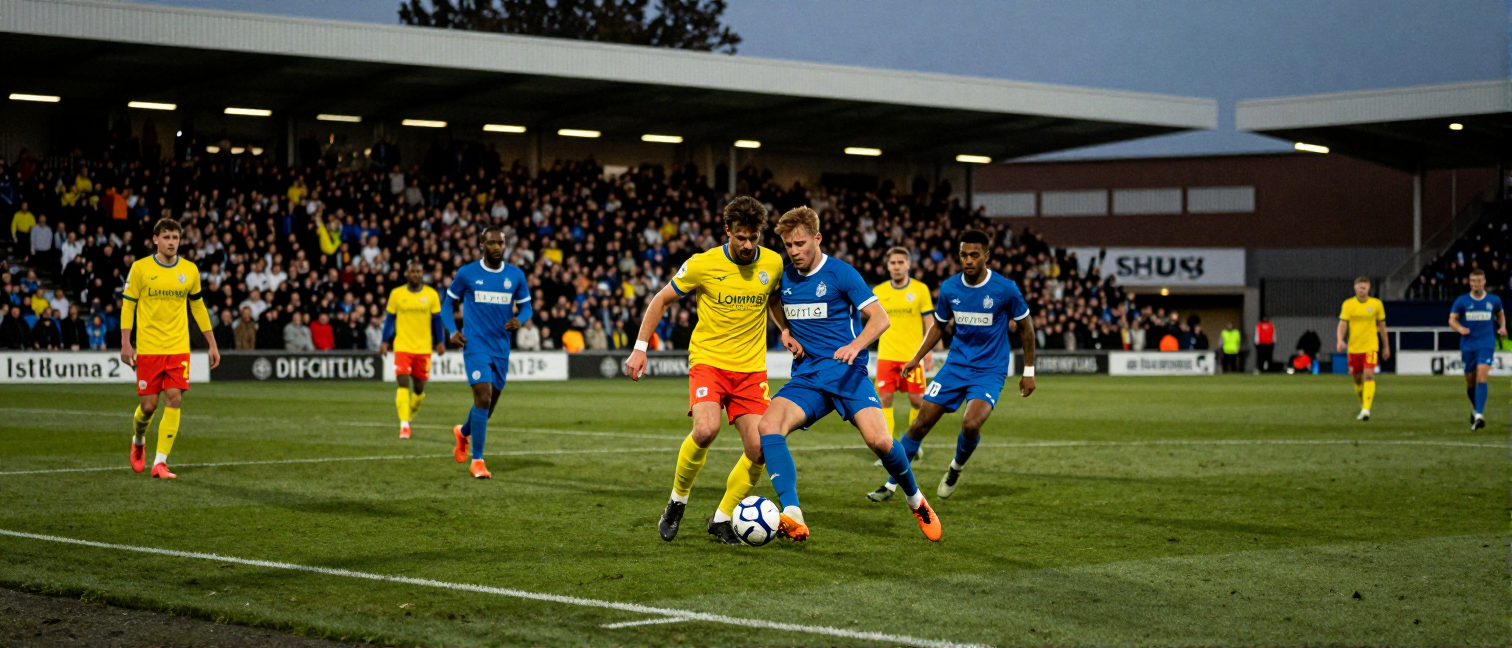
One area that has stood out in recent performances is the defensive cohesion during transitional phases. Although the backline often maintains a solid shape, there are moments when the defensive unit appears disjointed, especially when the team loses possession high up the pitch. Implementing a more structured pressing system could help mitigate this issue. By ensuring that players maintain a compact formation and support each other during counter-pressing situations, Royale Union Saint-Gilloise can recover possession more effectively and reduce the risk of being caught out on the break.
Midfield Dynamics and Possession Retention
In midfield, the team's dynamic has been commendable, but there is room for improvement in terms of possession retention and ball circulation. Currently, the midfielders sometimes struggle to find space against tightly packed defenses, leading to rushed passes and lost possession. Encouraging the midfielders to adopt a more fluid positioning—where they frequently interchange roles and create passing triangles—will allow for better ball movement and create openings against opposition defenses. Moreover, integrating a deeper-lying playmaker could facilitate a more controlled build-up, allowing the team to dictate the tempo of the game.
Exploiting Width and Attacking Variability
Offensively, while Royale Union Saint-Gilloise has shown flashes of brilliance, their attacking play can become predictable, particularly against teams that sit deep. To counter this, an increased emphasis on exploiting width through overlapping full-backs and wingers making diagonal runs could be beneficial. By stretching the opposition's defensive line, they can create more space for central attackers and late runs from midfielders, thus increasing the variety of their attacking threats. Additionally, introducing set-piece variations could provide an unexpected edge in goal-scoring opportunities.
Player Roles and Tactical Flexibility
Furthermore, tactical flexibility could be a game-changer for Royale Union Saint-Gilloise. While the core formation has proven effective, adapting the shape based on opponent analysis can keep the team unpredictable. For instance, deploying a 4-2-3-1 against teams that press aggressively could allow for better ball distribution and more options in midfield, while a more defensive 4-4-2 might be effective when aiming to consolidate leads. This adaptability ensures that the squad can respond to different match situations and opponents effectively.
Conclusion: A Path Forward
By addressing these tactical considerations—improving defensive cohesion during transitions, enhancing midfield dynamics, exploiting width in attacks, and maintaining tactical flexibility—Royale Union Saint-Gilloise can refine their game plan. The potential for growth is evident, and with the right adjustments, Les Unionistes can continue to build on their strong foundation, pushing for success in the league and beyond. With the support of their passionate fanbase at the Stadium, the future looks promising for Royale Union Saint-Gilloise.